
If your roof has storm or hail damage, prioritize safety, document visible damage from the ground, and take steps to prevent further water intrusion. Contact a professional roofing contractor for an inspection before beginning permanent repairs. Acting promptly helps identify problems, protect your home, and prepare for the repair and insurance process.
Strong winds, hailstones, heavy rainfall, and flying debris can damage shingles, flashing, gutters, and other roofing components. Some problems are immediately visible, while others remain unnoticed until water enters the home. Knowing how to respond after severe weather helps prevent additional damage and makes repair decisions easier.
1. Prioritize Safety Before Inspecting Your Roof
After a severe storm, make sure everyone in your household is safe before checking your property. Climbing onto a damaged roof to look for missing shingles or dents can expose you to serious hazards.
Roofing materials may be loose, slippery, or unstable. Fallen branches, exposed nails, and damaged electrical equipment can also create dangerous conditions.
Follow these precautions:
- Stay away from visibly damaged roof sections and avoid climbing ladders.
- Keep children and pets away from fallen debris.
- Never approach downed power lines.
- Watch for sagging ceilings and signs of structural instability.
- Contact emergency services if you identify an immediate threat.
If water enters your home near electrical outlets or lighting fixtures, avoid the affected area and seek qualified assistance. Protecting your household should always come before inspecting property damage.
2. Identify the Common Signs of Storm or Hail Damage
Wind, hail, and heavy rainfall affect roofing materials differently. Understanding their warning signs helps homeowners explain their concerns during a professional inspection.
Signs of Wind Damage
Strong winds can loosen shingles or remove them completely, exposing underlying materials to moisture.
Common indicators include:
- Missing or displaced shingles.
- Lifted or curled shingle edges.
- Loose ridge caps along roof peaks.
- Damaged flashing around chimneys and vents.
- Fallen branches or debris on the roof.
Even a small section of missing shingles can allow rainwater to enter.
Signs of Hail Damage
Hailstones can strike roofing materials with considerable force. Depending on their size and impact, they may weaken protective surfaces.
Look for:
- Circular impact marks on asphalt shingles.
- Cracked or bruised shingle surfaces.
- Excessive granule loss.
- Dents in metal flashing, gutters, and roof vents.
- Damage to other exterior components.
Granule loss is particularly important because these protective particles help shield asphalt shingles from weather exposure.
Storm Damage vs. Hail Damage
| Damage Type | Common Signs | Potential Consequences |
| Wind damage | Missing or lifted shingles | Exposed materials and leaks |
| Hail damage | Impact marks and granule loss | Compromised shingle protection |
| Falling debris | Punctures and broken materials | Roof openings |
| Heavy rainfall | Water stains and active leaks | Interior moisture damage |
These signs are indicators rather than definitive proof. A roofing professional can examine affected materials and determine whether repairs are necessary.
3. Document Visible Damage Before Making Repairs
Once everyone is safe, photograph the damage you can observe without approaching dangerous areas. These records can help you communicate with your contractor and prepare information for your insurance provider.
Document the following:
- Roofing materials: Photograph missing shingles, displaced materials, and visible damage from a safe location.
- Fallen debris: Record branches and objects that may have struck your property.
- Gutters: Photograph dents, detached sections, and damaged downspouts.
- Interior damage: Document ceiling stains, damaged walls, and water intrusion.
- Storm information: Record the date and approximate time of the weather event.
- Expenses: Keep receipts for emergency protection and water mitigation.
Avoid removing damaged materials before documenting them unless immediate action is necessary to protect your household.
Organized records also provide useful information when discussing the inspection and repair requirements.
4. Prevent Further Water Damage
A damaged roof can allow rainwater to enter your home, affecting insulation, ceilings, walls, and belongings. Take reasonable precautions while waiting for professional assistance. Homeowners needing roof contractor in Bucks County should address visible damage promptly to help prevent further water intrusion.
Place buckets beneath active leaks, move furniture away from wet areas, and relocate valuable belongings to a dry location. Arrange appropriate cleanup if water has accumulated inside your home.
Temporary roof protection may be necessary when shingles are missing or sections are exposed. However, homeowners should not attempt to install tarps or climb onto damaged roofing themselves. Qualified professionals can install temporary coverings using appropriate safety equipment.
Emergency Protection vs. Permanent Roof Repair
| Emergency Protection | Permanent Repair |
| Limits additional exposure | Addresses underlying damage |
| Usually temporary | Provides a lasting repair solution |
| May involve tarp installation | May involve replacing shingles or flashing |
| Focuses on immediate protection | Restores affected roofing components |
Temporary protection does not replace a complete inspection. Once immediate risks are addressed, arrange an assessment to determine the necessary work.
5. Schedule a Professional Roof Inspection
A professional inspection is important even when damage is not obvious from the ground. Hail can leave subtle impact marks, wind may loosen shingles without removing them, and damaged flashing can create entry points for water.
An experienced contractor can examine affected areas, identify visible problems, and recommend appropriate repairs.
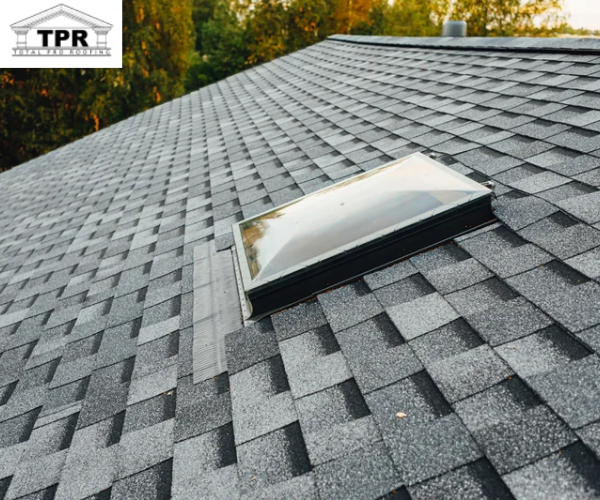
What Does a Professional Inspection Include?
- Shingles: Examination of missing, cracked, lifted, or damaged materials.
- Flashing: Inspection of metal components around roof penetrations and joints.
- Roof vents: Assessment of vents and other openings.
- Gutters: Evaluation of drainage components for dents or separation.
- Roof decking: Assessment of accessible areas for moisture damage.
- Interior areas: Examination of ceiling stains and other signs of leaks.
The findings help determine whether localized repairs or a more extensive roofing solution is needed.
Homeowners seeking roof contractor in Bucks County, PA, should choose a contractor who explains inspection findings and provides recommendations based on the roof’s actual condition.
6. Understand Your Homeowners Insurance
Roof damage may also involve insurance reporting, inspections, and repair estimates. Understanding your policy helps you prepare before arranging permanent repairs.
Some homeowners insurance policies cover sudden storm-related damage. However, coverage depends on policy terms, exclusions, deductibles, and the circumstances surrounding the incident.
Steps to Take When Filing a Claim
- Review your homeowners insurance policy.
- Contact your insurance company to report the damage.
- Provide photographs and available documentation.
- Arrange a professional roofing inspection.
- Coordinate with the insurance adjuster when necessary.
- Review the claim decision and repair scope.
- Discuss the estimate and next steps with your contractor.
A roofing contractor can explain observed damage, prepare repair documentation, and assist with relevant parts of the insurance process.
However, contractors cannot guarantee claim approval. Your insurance provider determines coverage according to your policy and its assessment.
For homeowners considering a Bucks County, PA roofing contractor, understanding insurance requirements and inspection findings can prevent confusion before work begins.
7. Determine Whether Your Roof Needs Repair or Replacement
Not every storm-damaged roof requires complete replacement. When damage is limited to specific areas and the remaining materials are in good condition, localized repairs may be sufficient.
The appropriate solution depends on the extent of damage, roof age, material condition, and whether the underlying structure has been compromised.
Roof Repair vs. Roof Replacement
| Consideration | Roof Repair | Roof Replacement |
| Damage extent | Localized damage | Extensive damage |
| Material condition | Mostly serviceable | Significant deterioration |
| Roof age | Relatively newer | Nearing service life |
| Structure | Generally intact | May have extensive damage |
| Approach | Targeted repairs | Replacement when necessary |
A professional assessment helps homeowners understand which option is appropriate. The decision should consider the entire roofing system rather than the appearance of a few damaged shingles.
8. How Total Pro Roofing’s Commitment to Excellence Benefits Homeowners
After a storm, homeowners need a contractor who can identify damage, explain available solutions, and provide dependable workmanship.
Total Pro Roofing provides top-tier roofing services tailored to each homeowner’s unique needs. Our unwavering commitment to excellence is evident in every aspect of our work, where attention to detail and customer satisfaction are paramount.
This commitment guides our approach to every project:
Detailed Assessments: We evaluate existing roofing conditions and homeowner concerns before recommending appropriate repairs or replacement.
Quality Workmanship: We prioritize proper materials, installation practices, and attention to roofing details throughout each project.
Clear Communication: We explain proposed work, available options, and project requirements so homeowners can make informed decisions.
Insurance Assistance: We help homeowners navigate relevant parts of the insurance process when assistance is needed.
Financing Options: Available financing options give homeowners additional ways to approach necessary exterior improvements.
Comprehensive Exterior Services: Beyond roofing, we provide siding, gutter, and window services, allowing homeowners to address multiple exterior needs through one provider.
Our goal is to make roofing decisions easier through professional guidance, careful workmanship, and customer-focused service.
Experience the Total Pro difference for yourself and discover why homeowners across Bucks County trust us for their roofing needs.
People Also Ask: Storm and Hail Damage Roof Repair
What should I do immediately after a hailstorm damages my roof?
Stay away from damaged areas, photograph visible problems from the ground, protect belongings, and contact a professional roofing contractor.
Can a roof have hail damage without leaking?
Yes. Hail can bruise shingles and remove protective granules without immediately causing water intrusion. A professional inspection can identify these problems.
How soon should I have my roof inspected?
Arrange an inspection as soon as conditions are safe, especially when you notice missing shingles, impact marks, fallen debris, or active leaks.
Does every storm-damaged roof need replacement?
No. Localized damage may require only targeted repairs. Replacement depends on the extent of the damage and the roof’s overall condition.
Should I contact insurance or a roofing contractor first?
Prioritize safety and document visible damage. Contact your insurance provider about reporting requirements and arrange a professional inspection. Do not delay necessary emergency protection.
Can I temporarily cover a damaged roof myself?
It is safer to have a qualified professional install temporary protection because damaged roofs can present fall and structural hazards.
Protect Your Home With Professional Roofing Support
Storm damage should not be ignored, even when visible problems appear minor. An inspection can identify roofing concerns and help you understand the available solutions.
Total Pro Roofing is committed to quality workmanship, transparent communication, and dependable exterior services. Whether your property needs an inspection, localized repairs, or a more extensive roofing project, our team can help.
Contact us to learn more about our services and protect your home.